

Why Organic Candles are the Non-Toxic Future of Home Fragrance
There is a quiet magic in lighting a candle—it's a universal signal to slow down, breathe, and welcome a moment of calm. Yet as we increasingly curate our homes into healthier, more intentional retreats, we inevitably wonder what's in our candles, wonder if they contribute to or work against our well-being. If you're like us and keep asking the question "what's in our candles?", you'll also end up asking: "what about organic candles?"
Many of us hear "organic" and think of internal health: what we eat and, maybe, what we put on our skin (others may drift off into carbon chains and hydrogen bonds. Organic chemistry, anyone? 🤓). But our health is also directly and indirectly influenced by our air quality, our built environment—homes, workspaces, grocery stores, places of recreation, etc.—the lands where our food and water come from, and the health of the insects and animals living among us. The story of our health begins much further upstream than what we eat, so while we believe organic food is the BEST place to start, truly organic living doesn't stop there.
With this in mind, we started to feel a tension and inner conflict when buying candles: the home fragrance market is filled with beautifully designed jars, many of which claim to be "non-toxic," but the ingredients often tell otherwise. If you squint long enough at the fine print, promises of "clean" and "natural" usually reveal petroleum-based, pesticide-laden, or endocrine-disrupting ingredients. The candles available to us didn't line up with how we thought about and purchased other home goods.

This led us on a quest for organic candles. After months of searching we realized that finding a genuinely, through-and-through organic candle (with organic wax, organic wicks, and organic fragrance) was virtually impossible. Fear not: we have good news, too. After we couldn't find the candle we wanted, and while the industry has relied on clean-ish candles, we have been engineering a new frontier: the only fully organic candles made in the United States.
We are truly proud to create and offer organic candles made only with verified organic ingredients. Some of our organic ingredients carry internationally recognized organic certificates— Organic Content Standard (OCS100) organic certification for textiles (wicks in our case), and Soil Association Organic—while others are certified according with the USDA National Organic Program regulations (or international equivalents). We only source and use each material after verifying the organic status both on the suppliers' certificates and on the relevant certifying body database.
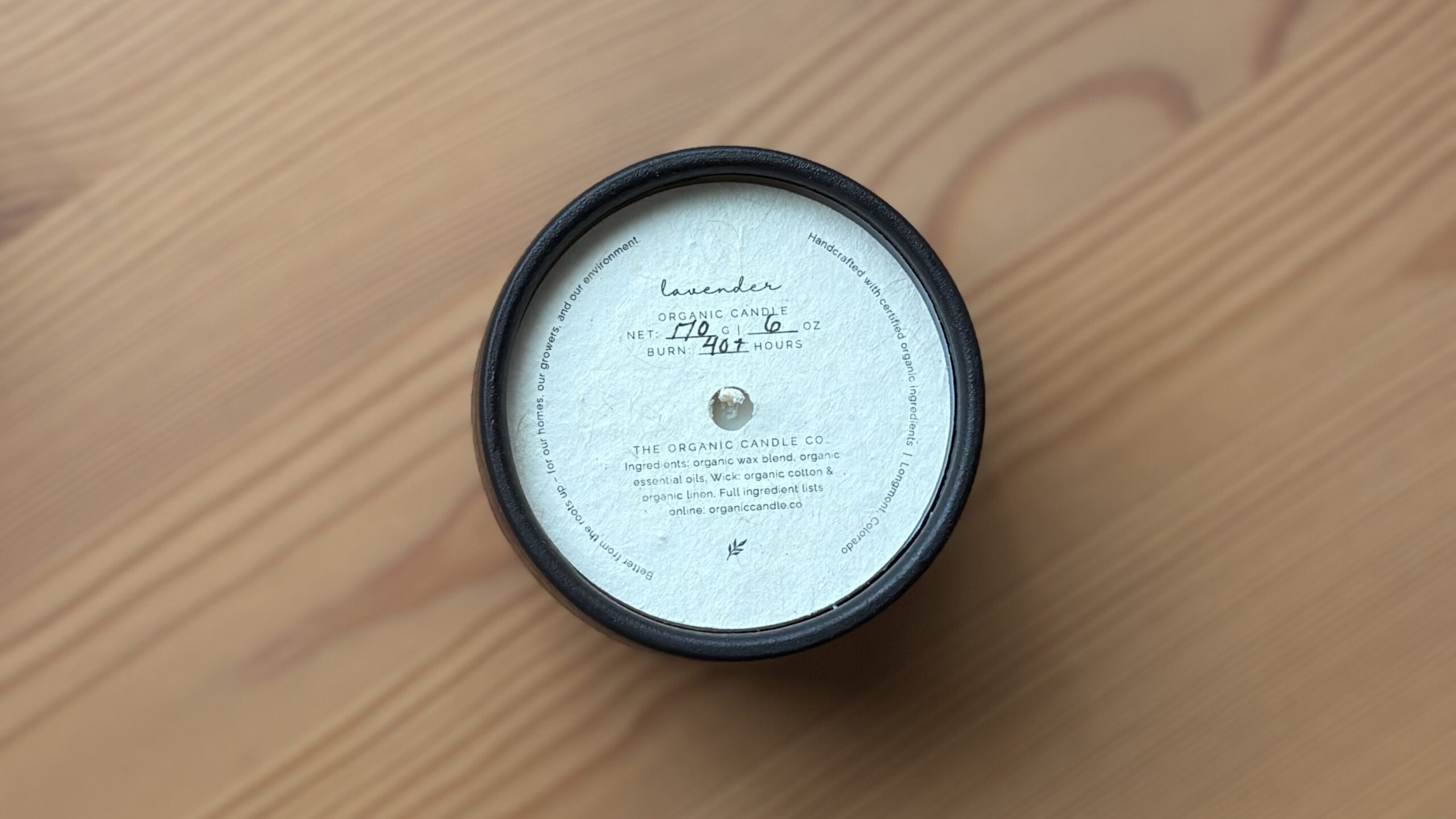
The Label Question:
What Does "Organic" Mean for a Candle?
When you browse the grocery aisles, labels like "USDA Certified Organic" carry a strict, legally backed standard. Food and cosmetic products labeled "certified organic" with the USDA organic seal must contain at least 95% organic ingredients and adhere to specific rules for processing, and the remaining percentage must also follow stringent requirements.
In the world of home fragrance, however, industry regulations are almost nonexistent in the U.S. It is common to see words like "natural," "clean," "eco-friendly," or even "organic" plastered on a label, only to find out the product relies on chemical growing or processing behind the scenes. This widespread greenwashing makes it incredibly difficult for conscious consumers to know what's in the home fragrance products they buy, unless brands are 100% transparent and forthright.
Some non-organic certifications in our country will review ingredient lists and stamp their "non-toxic" approval (while costing a small fortune). There are also newer international organic candle and home fragrance standards that require a minimum organic percentage while allowing for green chemistry processing techniques, but these are not yet widely known or recognized, especially in the U.S.
The bottom line: there is not yet one, unified and recognized standard for organic candles (mostly because there are so few organic candles out in the world). In the U.S., the USDA does not regulate candles, so any claims made would fall under the purview of the Federal Trade Commission (FTC).
So to create a truly organic candle, we looked past the industry status quo. Creating an organic candle requires a holistic commitment that takes into consideration the soil, the water, the air, and the hands of the agricultural workers who cultivate our ingredients. Claims of "plant-based wax" and "fragrance containing essential oils" weren't good enough—these sound honest and well-intended but can easily mean "genetically modified soy grown with all the pesticides."
For literally months, we searched for organic candle ingredients that could be backed by organic certification. It took a while, but we didn't stop until we found them, bringing together organic ingredients and standards from across the world. For many months since, we've continuously tested our candles for safety, performance, and fragrance. And the best part: we only use organic ingredients with organic certificates to make our organic candles.
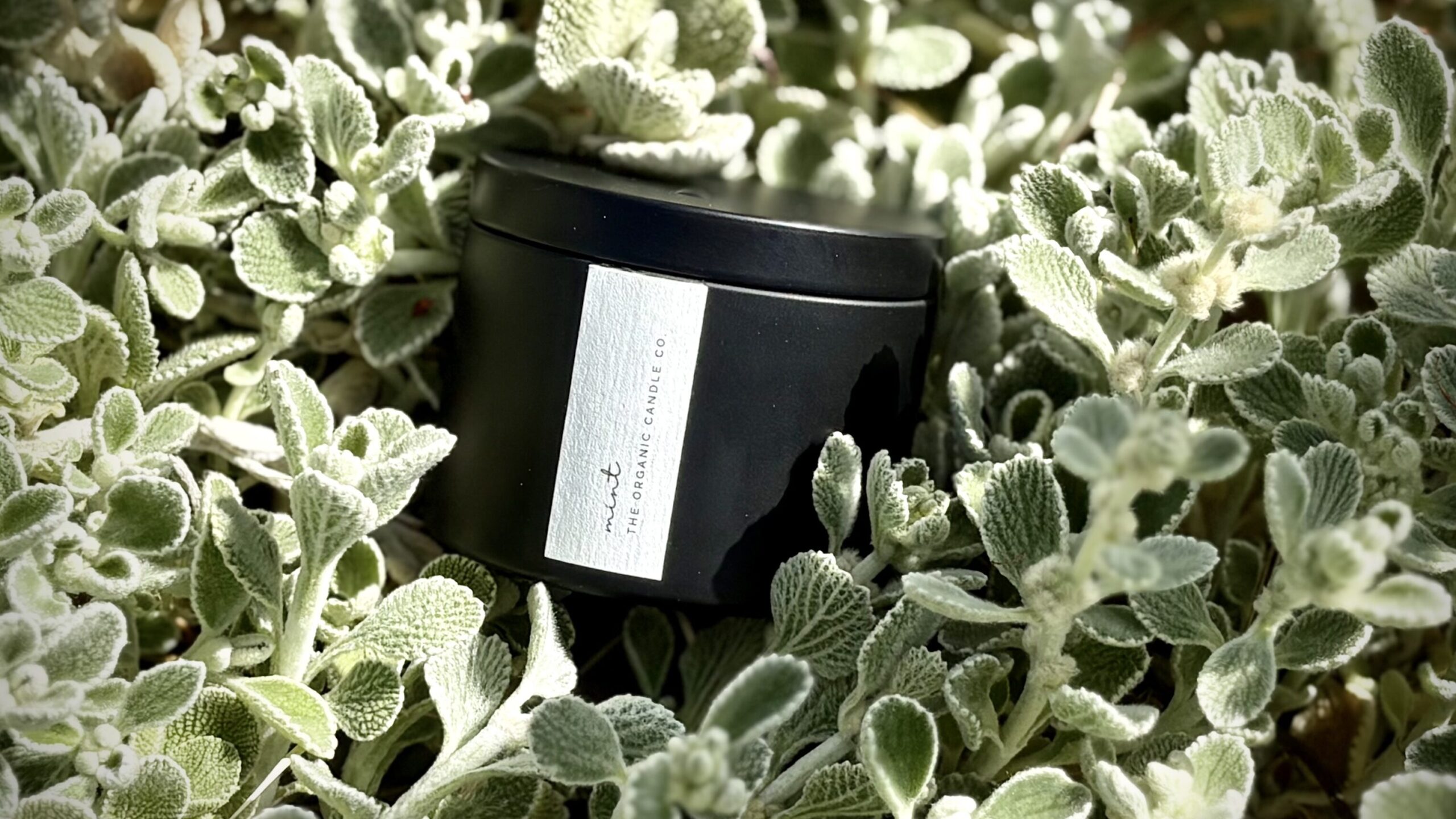
Breaking Down the Organic Candle Frontier:
Wax, Scent, and Wicks
To understand how organic candles pave a new and better path, let's examine how candles are engineered from the inside out and what makes organic candles different.
1. The Wax: Better for the Soil & the Growers
Where We Started
The foundation of any candle is its wax, and our journey begins deep in the earth. Most conventional candles (in modern day) use paraffin wax—a petroleum refining byproduct that can release volatile organic compounds (VOCs) like toluene and benzene when burned.
Intermediate Improvements
The origins of soy and coconut-based waxes are self-explanatory (though some plant-based waxes are also mixed with paraffin). These have certainly been an improvement over paraffin counterparts as they produce less soot while burning and shift monetary support away from the petroleum industry. However, when conventionally grown, soy and coconut are frequently derived from monoculture crops grown using heavy synthetic pesticides and fertilizers, which degrade soil health and send runoff into local waterways.
(An interesting aside: technically, because certain processing techniques like hydrogenation are not allowed in the USDA NOP organic program, some wax types literally cannot be labeled as "certified organic" under current USDA organic regulations. For example, in order to create a soy or coconut wax, soy and coconut oils—both starting with very low melting points—must undergo hydrogenation in order to form a stable room-temperature wax, and cannot be manufactured as "USDA certified organic" even if their starting points are organic coconut or soy bean oil. Certain organic certifications in the EU and UK allow for some of these other green chemistry processes in their organic health and beauty standards.)
Beeswax is a popular choice for conscientious chandlers due its clean-burning properties and lower environmental impact. It can be difficult to work with on its own due to a high melting point, extreme contraction while cooling, and subtly sweet honey scent (which can be(e) quite lovely but also alters fragrance profiles and is not everyone's jam 🍯). In our opinion, it's the best conventionally sourced wax in terms of low toxicity and environmental impact.
Organic Wax: Better for All
By using an organic wax blend made only with organic oils and waxes from beeswax, carnauba, coconut, and sustainably harvested palm, we have chosen a radically different path:
- Protecting the Soil: Organic farming practices foster biodiversity and keep the earth fertile, rich, and free from persistent synthetic chemicals.
- Guarding Our Water: Without toxic runoff from chemical fertilizers, local rivers, streams, and community water sources stay cleaner and more vibrant.
- Supporting Farmers: Choosing organic agricultural products protects the health of farmers and field workers, ensuring they aren't exposed to harmful chemical sprays.
- Incentivizing Better Practices: When we buy organic, we place a "vote" and create economic demand for different practices and a better way. Our purchases have the power to move markets.
- Optimizing Candle Performance: The unique blend allows a "best of all worlds" approach that optimizes candle performance, fragrance throw, and aesthetic while remaining non-toxic and organic.
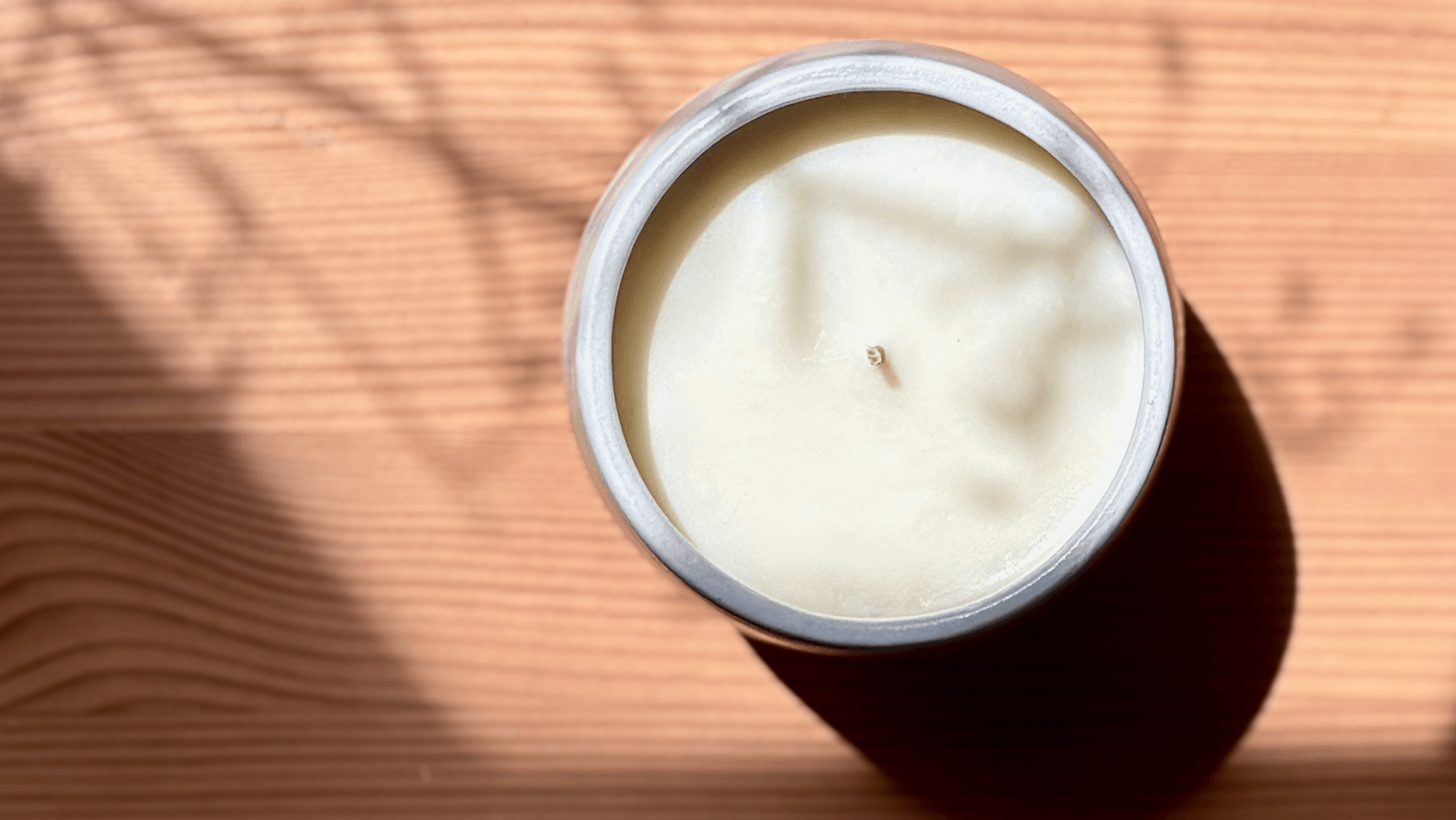
2. The Scent: Certified Organic Plant Extracts
Many commercial fragrances are proprietary cocktails hidden behind the single word "parfum" or "fragrance" on a label. These formulations often contain phthalates—chemical plasticizers used to extend scent longevity that act as known endocrine disruptors. The phthalates' health effects continue to be studied but at this time are suspected to contribute to insulin resistance, thyroid dysfunction, metabolic disease, infertility, certain cancers, and even epigenetic alterations (modifiable changes that can influence the body's physiology for a lifetime and also pass down to the next generations).
Many candle-makers are moving towards phthalate-free fragrance blends. While we applaud the awareness and the effort, and we truly hope this leads to healthier outcomes, our question will always be: "what replaces it?" Is the replacement any better than what is being displaced? Put plainly, is the new substitute ingredient any better than the phthalate? We don't claim to know the answer, but we think it's worth considering (and always worth studying and learning more).
We do not use synthetic fragrance loops. Our organic candles are scented exclusively using certified organic essential oils and certified organic fragrance oils:
- Certified Organic Essential Oils: Extracted directly from botanicals via steam distillation or cold-pressing.
- Certified Organic Fragrance Oils: Crafted with organic sunflower oil and aromatic compounds derived directly from nature (plant & vegetable extracts), not fabricated synthetically or altered with plasticizers.
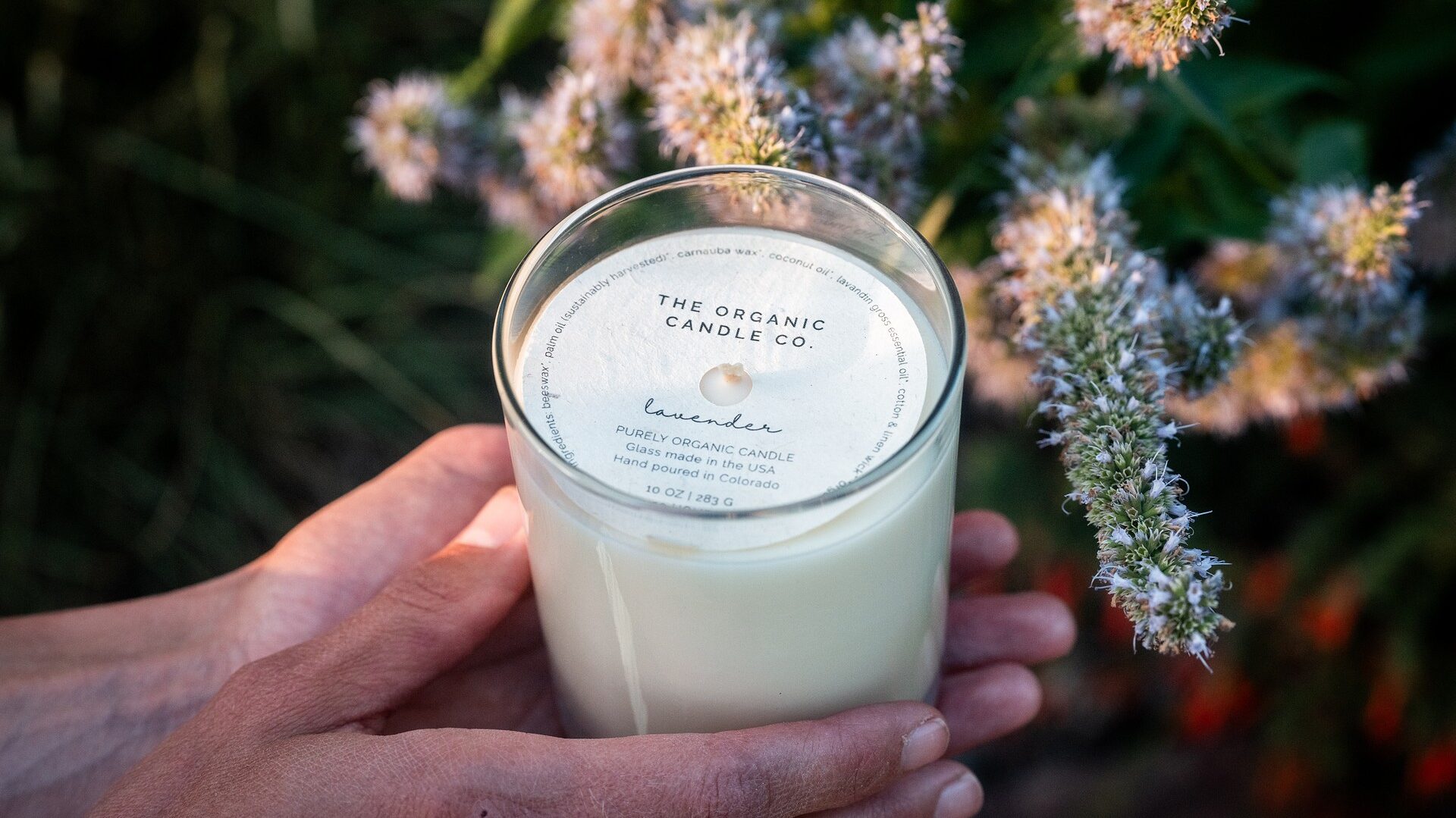
3. The Wick: A Certified Organic Flame
The wick is the literal engine of the candle that draws up fuel (the wax) to be burned, and this is no different for organic candles. The wick controls how the wax melts and how the scent disperses. Unfortunately, many standard cotton wicks are treated with chemical bleaches/synthetic treatments to make the wick burn a certain way, or they contain metal cores designed to keep them standing upright.
We believe that as a core part of the candle, a part that is also consumed by the flame, the wick too should come from organically grown sources. Our organic candles feature the industry's only available certified organic wick with an Organic Content Standard organic certification. Made from untreated, certified organic cotton and organic linen, these wicks are completely free from chemical coatings and metals. The result is a slow, stable, and naturally clean burn that lets the true aroma of the organic wax and oils shine through without producing extra toxins. And we like to think of the happy, healthy pastures where people are tending flax and cotton grown without all the bad stuff 🌱.
How to Choose an Authentically Non-Toxic Candle: a Quick Checklist
Because we are pioneering this organic candle space (with just a couple others around the world), we want to give you complete clarity about what you bring into your home. Use this quick checklist to evaluate any candle you consider for your living space:
| Feature to Look For | What to Avoid | Why It Matters |
| Ingredient Transparency | Vague "fragrance" or "parfum" labels without additional sourcing information. | Ensures zero hidden phthalates, synthetic fixatives, or hidden toxins. |
| Certified Organic Wicks | Bleached cotton or metal-core wicks | Prevents heavy metals or chemical residues from aerosolizing in your home. |
| Organic Wax (from plants or beeswax) | Paraffin, paraffin-soy blends, or conventional soy | Avoids petroleum byproducts and supports sustainable, chemical-free farming. |
| Brand Honesty | Brands that aren't up front about what's in their products and how ingredients are made. | Supports industry transparency and incentivizes brands to declare ingredients. |
Welcoming True Calm into Your Daily Spaces
True sustainability is about respecting and caring for every step of the creation process. When a candle is crafted with care for the soil, thought for the people growing our raw materials, reverence for water systems, and a commitment to clean air, it becomes more than just a home accessory. It is a beautiful reflection of your everyday values and a vote for future. We wholeheartedly believe that this isn't just a trend: it's moving the needle of a multi-billion dollar industry towards better, organic, and regenerative practices. We only see upside from such a shift.
When you know that what you enjoy in your home is supporting the health of humans, animals, and ecosystems both near and far, it brings a different kind of peace and calm. We're rethinking home fragrance from the soil up both for the good of your health and the health of our ecosystems – because we believe organic candles are the next frontier for non-toxic, all natural, & healthier homes.
We invite you to explore our collection of organic candles and hope you'll join the journey with us.
Want to learn more? See our full ingredient lists on any of the product pages or read more about us. Have questions about anything above (or other curiosities)? Don't hesitate to get in touch.
Wellness Note: While clean-burning candles support a relaxing home environment, and we wholeheartedly believe in the integrity with which our organic candles are made, they are intended for atmospheric enjoyment. Always consult a healthcare professional if you have specific respiratory sensitivities or underlying health conditions.